Uncategorized

Natural Stone Countertops vs. Quartz: An Honest Comparison

Natural Stone Countertops vs. Quartz: An Honest Comparison Natural stone vs quartz countertops is a central focus of this article. Interior Conception brings this perspective to every residential…

Sarit Saruri
By Sarit Saruri Interior Conception Los Angeles Interior Design Studio
Natural Stone Countertops vs. Quartz: An Honest Comparison

The natural stone versus quartz conversation comes up on almost every kitchen project I work on, and the answer is almost never as straightforward as people expect. Both materials have real advantages. Both have real limitations. The right choice depends on how you cook, how you clean, and what you actually want the kitchen to look like in ten years.

Here is how I think through it with clients.

01 The Case for Natural Stone

Marble, quartzite, and natural travertine have qualities that engineered quartz cannot fully replicate. The movement in the stone is genuinely organic. No two slabs are identical. The depth and variation in a well-selected slab of Calacatta or Taj Mahal quartzite is something you notice every day, and it tends to look better over time rather than worse.

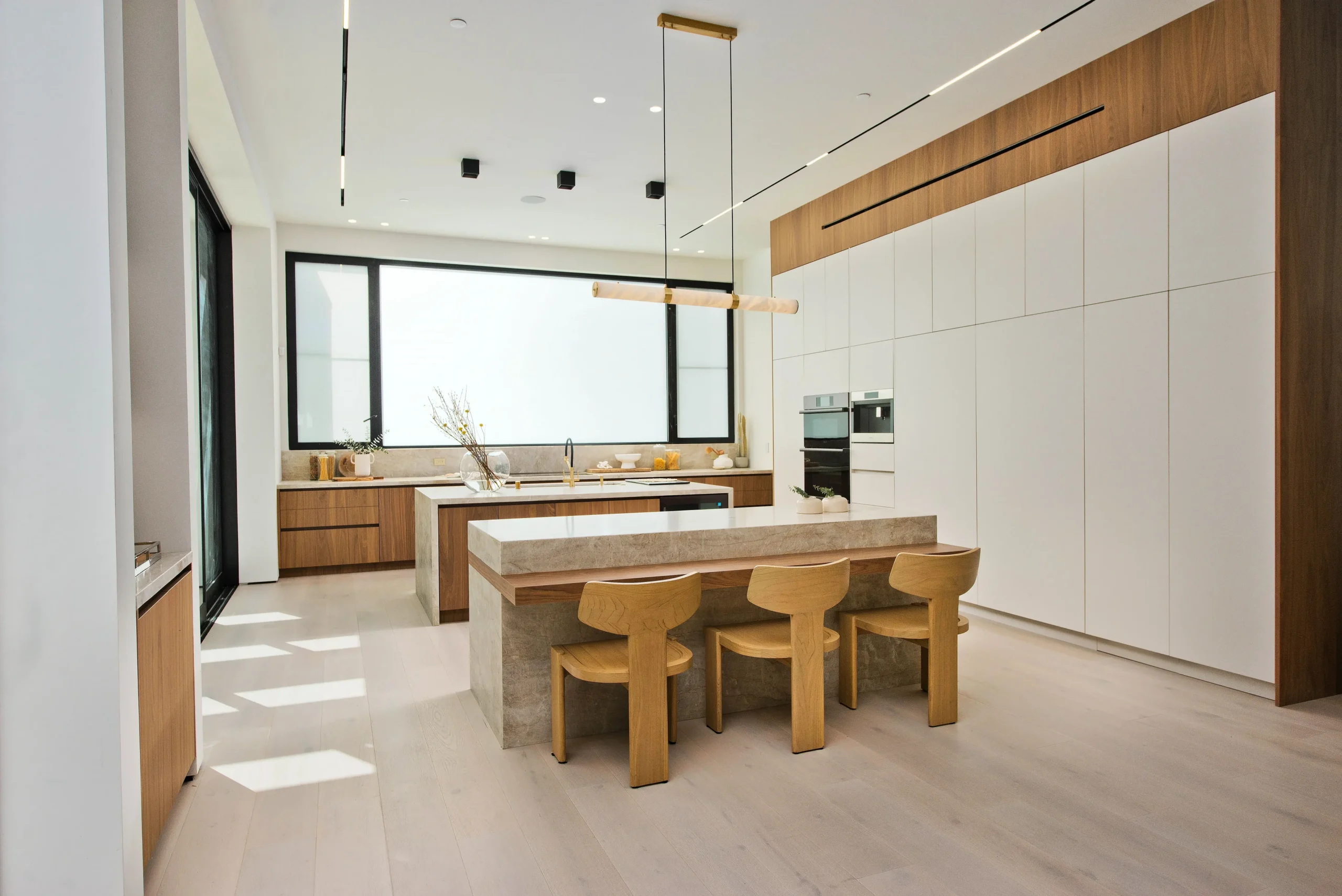
For a kitchen island in a luxury home, natural stone is usually the right call aesthetically. It is the surface that gets photographed, the surface guests touch and comment on, and the surface that sets the material tone for the rest of the space. Investing in a strong slab there, even if you use a more practical surface on the perimeter counters, is a choice most of my clients are happy with long-term.

The maintenance reality: marble etches and stains. Quartzite is harder and more resistant, but it is not maintenance-free. Sealing regularly, cleaning up spills quickly, and being thoughtful about what goes on the surface is the commitment that comes with natural stone. Clients who want a kitchen they can use without thinking about it often find this frustrating.


Kitchen Design | Interior Conception | Encino, CA

02 The Case for Quartz

Engineered quartz is genuinely practical. It does not etch, it does not require sealing, and the consistency of the surface means there are no weak points from natural veining. In a household that cooks seriously, has kids, or entertains often, the lower maintenance burden is worth real consideration.

The quality gap between high-end quartz and natural stone has also narrowed considerably. The best quartz products on the market now have a depth and variation that reads well in person, not just in a sample. For perimeter counters in a large kitchen, or for a secondary kitchen surface in a home with a butler’s pantry, quartz is often the practical, sensible choice.

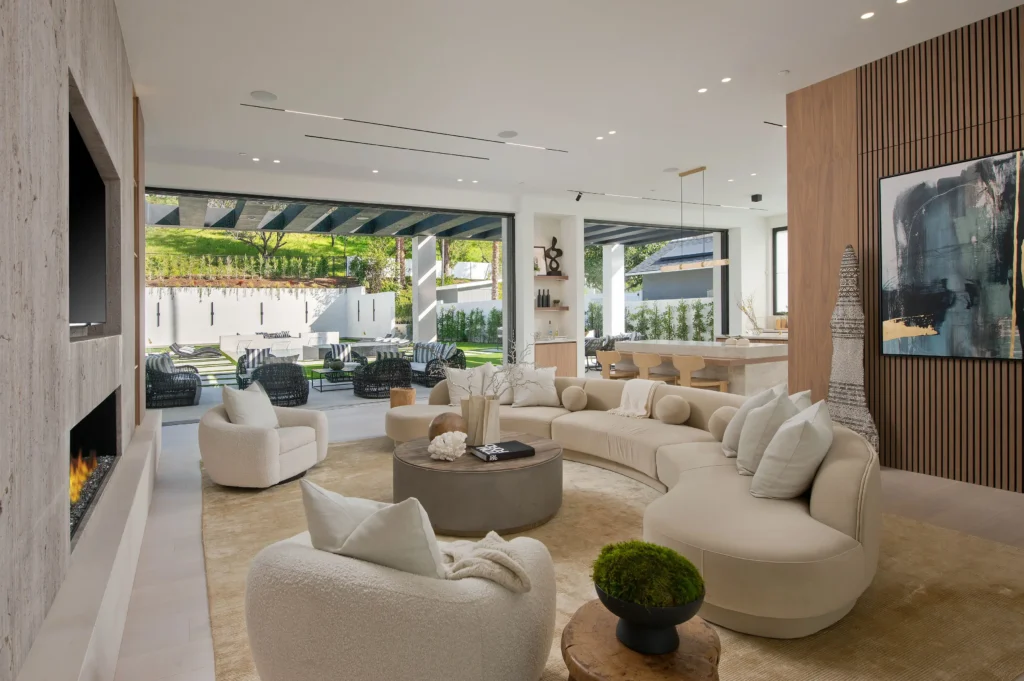
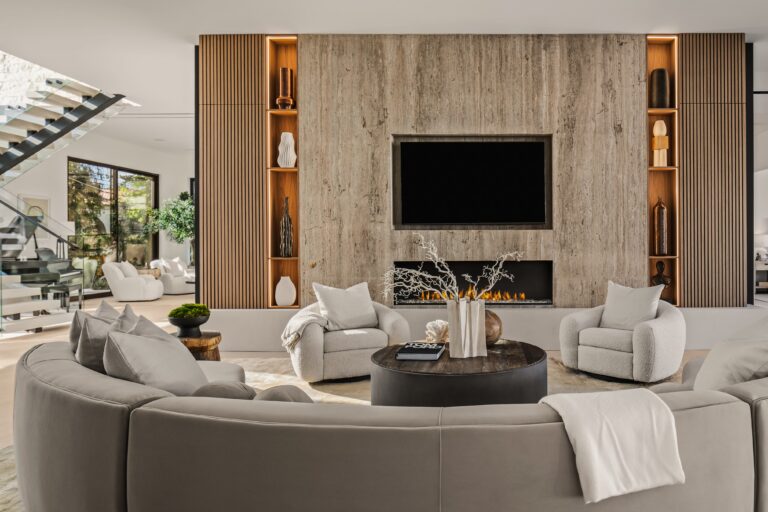
Luxury Modern Estate Encino Living Room Fireplace Outdoor View Wide

03 What Most Designers Recommend and Why

In luxury kitchen projects, the most common approach I use is a combination: natural stone for the island, quartz or a harder quartzite for the perimeter counters. This gives the kitchen the visual presence of a natural stone surface where it matters most, with more practical durability on the surfaces that see the heaviest daily use.

Moving into 2027, I expect to see more interest in stone types beyond Calacatta marble and standard quartzite. Leathered quartzite, brushed granite, and stones with stronger color movement are gaining traction in the high-end market as clients look for surfaces that feel distinctive rather than just refined. The conversation is shifting from white-and-vein to stone that has a stronger point of view.

Start a Conversation

We would love to hear about your project.

Contact Us
Continue Reading